
The four-year degree is losing its grip as the default hiring filter. Skills-based hiring widens talent pools, improves outcomes, and quietly fixes equity gaps.
For decades, the bachelor's degree functioned as a universal proxy for capability. It was a lazy filter — easy to verify, easy to require, and easy to defend. It was also deeply exclusionary, screening out millions of capable people who lacked the resources, geography, or life circumstances to complete a four-year program. Skills-based hiring dismantles that proxy and asks a better question: can this person actually do the job?
The shift is driven by both principle and pragmatism. On principle, a degree says something about persistence and access, but little about job-specific competence. On pragmatism, talent shortages in technical, operational, and healthcare roles have made the degree-filtered pool too small to meet demand. Employers that have removed degree requirements and replaced them with validated skills assessments report broader, more diverse applicant pools and, in many cases, stronger on-the-job performance and retention.
The mechanics matter. Skills-based hiring is not simply deleting the degree line from a job description. It requires building or adopting assessments that genuinely predict performance, training hiring managers to evaluate skills rather than credentials, and redesigning job architectures so that progression is tied to demonstrated capability rather than tenure and titles. Done poorly, it becomes a slogan. Done well, it becomes a competitive advantage.
The equity dividend is real and measurable. Removing degree requirements disproportionately opens doors for underrepresented groups, veterans, rural workers, and career changers. This is not charity — it is market expansion. The talent that was previously filtered out is not less capable; it was less credentialed. When you measure capability directly, you find it everywhere.
Critics worry that skills-based hiring lowers standards. The evidence suggests the opposite. A well-designed skills assessment is a higher bar than a degree, because it tests the actual work rather than a proxy for it. The risk is not lowered standards but poorly designed assessments that fail to predict performance. The investment must go into assessment quality, not just into removing the degree requirement.
For CHROs, the path forward is incremental. Start with roles where the degree adds the least predictive value. Pilot, measure outcomes, and scale what works. The degree will not disappear — for some roles it remains genuinely relevant. But its reign as the default gatekeeper is ending, and the talent landscape will be broader and fairer for it.
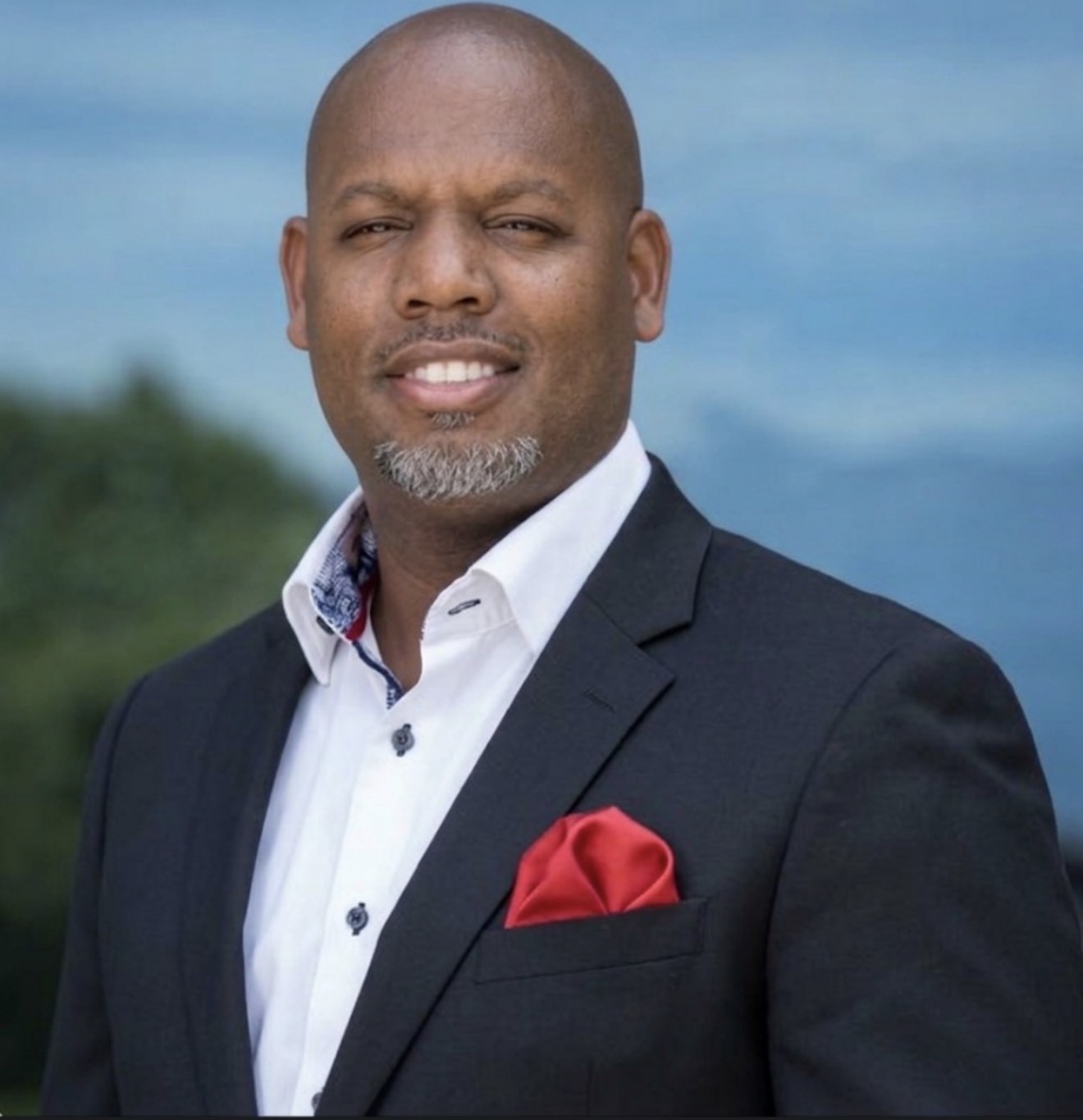
Damien L. Halliburton
Founder & Chief Editor, Human Capital Roundtable
Damien L. Halliburton is a workforce strategist, executive advisor, and the founder of the Human Capital Roundtable. With over two decades guiding CHROs and people leaders through transformation, he writes on the intersection of AI, hiring, employee relations, and the future of work.
Frequently Asked Questions
Does skills-based hiring lower hiring standards?
No. A well-designed skills assessment is a higher bar than a degree because it tests actual job capability rather than a proxy for it.
Which roles benefit most from removing degree requirements?
Technical, operational, customer-facing, and healthcare roles where job-specific skills matter more than formal credentials.
