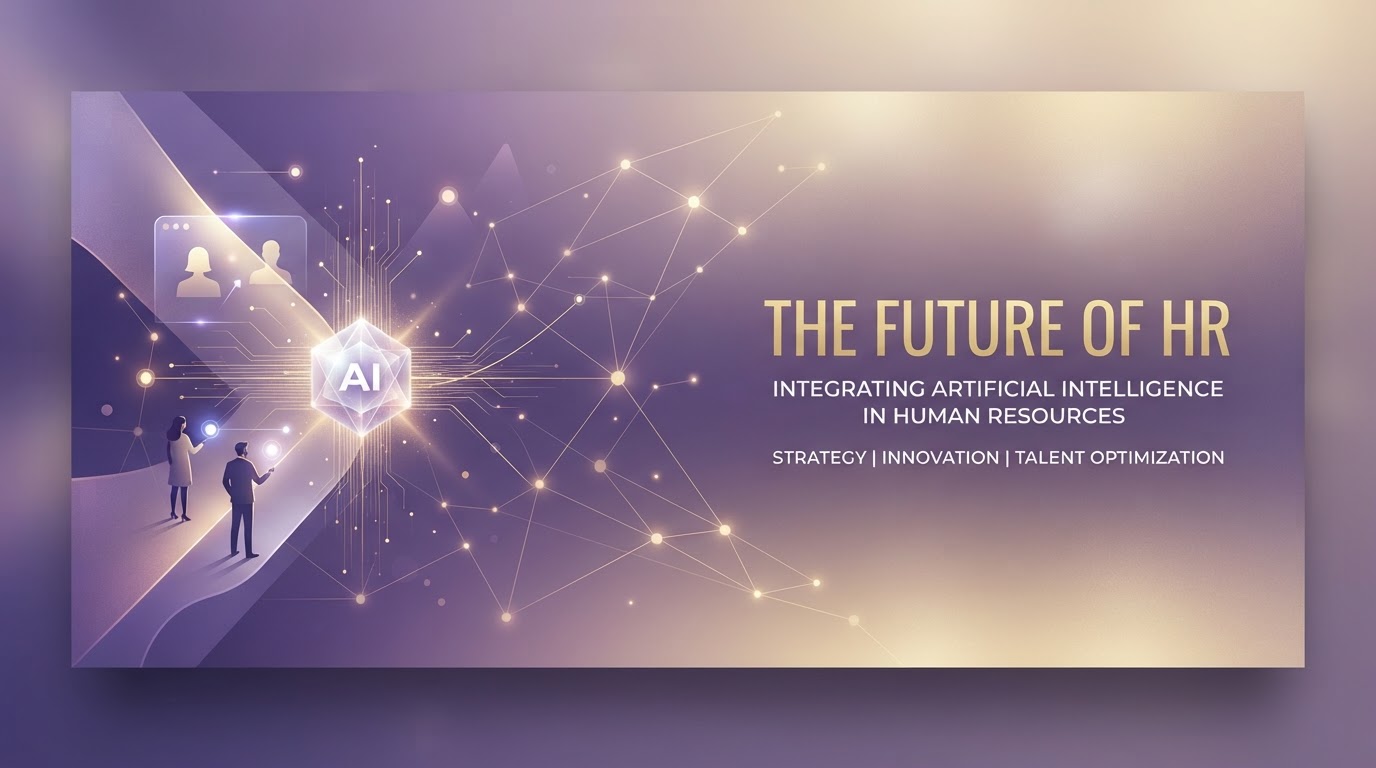
AI is reshaping recruitment at breakneck speed, but the ethical guardrails are lagging. Here's how CHROs can adopt AI hiring tools without sacrificing fairness, trust, or compliance.
Artificial intelligence has moved from a back-office experiment to the front line of talent acquisition. In 2026, the majority of mid-to-large enterprises use some form of AI to screen resumes, rank candidates, conduct video interviews, and even predict flight risk. The efficiency gains are real — but so are the risks. When an algorithm quietly filters out qualified candidates based on proxy variables, the damage is invisible, systemic, and hard to unwind.
The core ethical question is not whether to use AI in hiring, but how to govern it. A responsible framework rests on four pillars: transparency, fairness, accountability, and human oversight. Transparency means candidates should know when AI is being used to evaluate them and have a clear path to request a human review. Fairness requires regular bias audits — not one-time validations, but continuous monitoring against demographic outcomes. Accountability means a named human owner is responsible for every automated decision. And human oversight ensures that high-stakes decisions never rest on a model's output alone.
Bias audits deserve special attention. The most dangerous bias in AI hiring is not the obvious kind — it is the subtle, compounding kind. A model trained on historical hiring data inherits every preference and prejudice baked into that data. If your top performers historically came from a narrow set of schools, the model learns to favor those schools, regardless of whether that signal predicts performance. The fix is not to strip all signals, but to define what 'fair' means for your organization — demographic parity, equal opportunity, or predictive parity — and measure against that definition on a recurring cadence.
Compliance is catching up to the technology. Jurisdictions including New York City, the European Union, and a growing list of U.S. states now require bias audits of automated employment decision tools. The EU AI Act classifies AI used in hiring as 'high risk,' triggering documentation, logging, and human oversight obligations. CHROs who treat compliance as a checkbox will find themselves exposed; those who treat it as a floor — and build toward genuine fairness above it — will earn durable trust.
Practically, every CHRO should ask three questions of every AI hiring vendor: What data was the model trained on, and how was it validated for bias? Can you produce an audit trail for any individual decision? What is your process for candidate appeal and human review? If a vendor cannot answer these questions clearly, that is itself an answer.
The organizations that win the next decade of talent will not be the ones that adopt AI fastest. They will be the ones that adopt it most responsibly. Ethics is not a brake on innovation — it is the infrastructure that lets innovation scale without collapsing under its own weight.
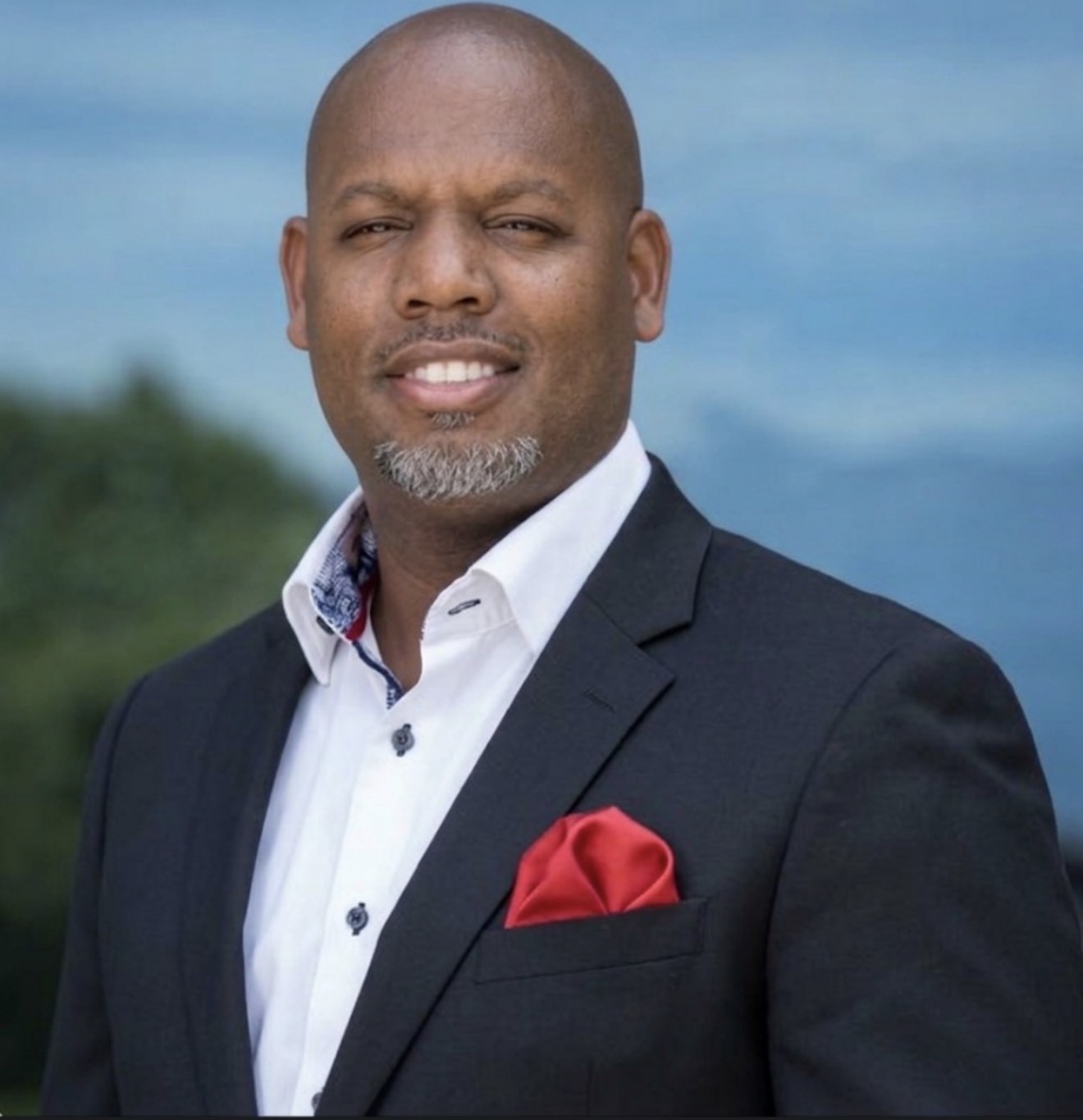
Damien L. Halliburton
Founder & Chief Editor, Human Capital Roundtable
Damien L. Halliburton is a workforce strategist, executive advisor, and the founder of the Human Capital Roundtable. With over two decades guiding CHROs and people leaders through transformation, he writes on the intersection of AI, hiring, employee relations, and the future of work.
Frequently Asked Questions
Is AI in hiring legal in 2026?
Yes, but it is increasingly regulated. The EU AI Act, NYC Local Law 144, and several U.S. state laws require bias audits, transparency, and human oversight for AI tools used in employment decisions.
How often should companies audit AI hiring tools for bias?
At minimum annually, and ideally on a continuous basis. Bias can emerge as data drifts, so ongoing monitoring of demographic outcomes is essential.
Can candidates refuse AI evaluation?
In many jurisdictions, yes. Responsible employers offer an alternative human review process and clearly disclose when AI is used in evaluation.