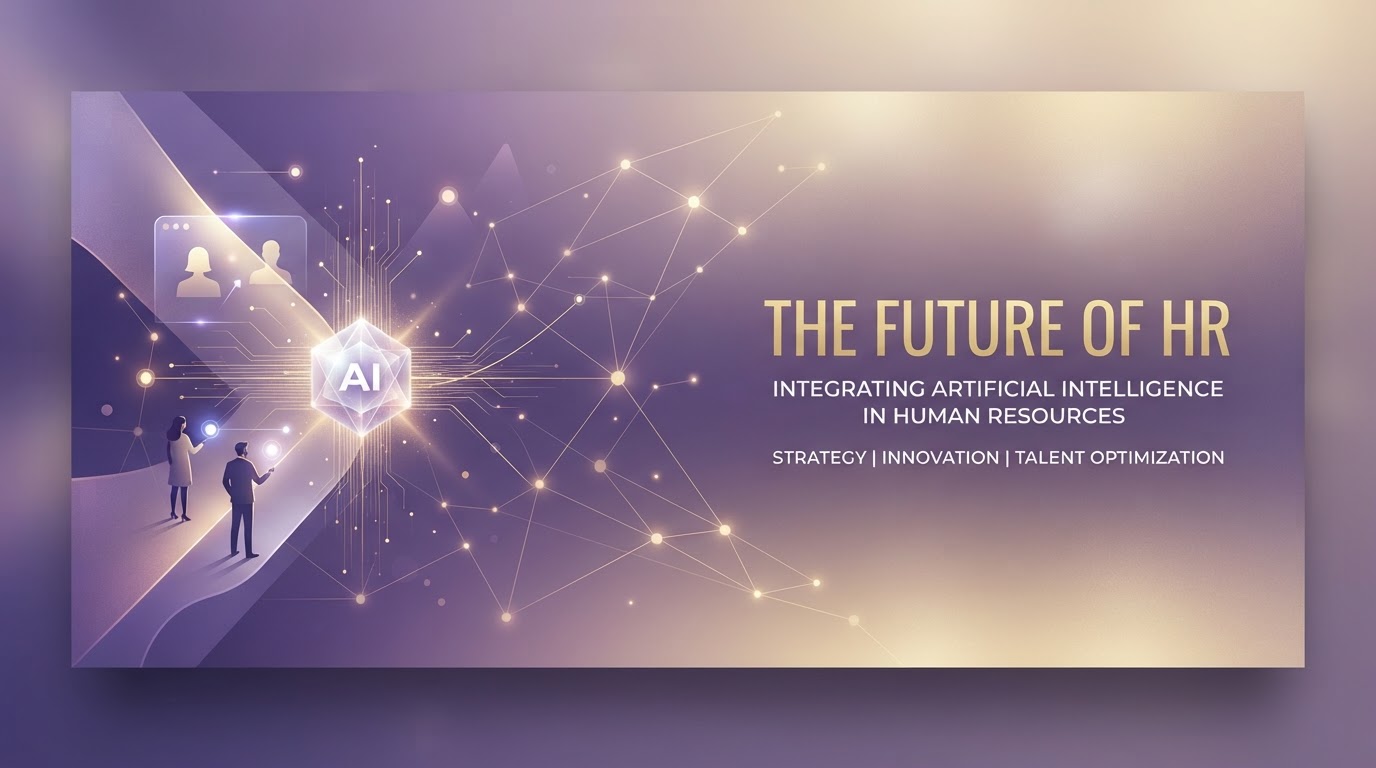
Will AI replace HR professionals? The evidence says it will reshape the work — automating tasks, elevating judgment, and changing the skills that matter.
Every wave of automation triggers the same anxiety: will this technology replace me? Generative AI has provoked the question with new intensity because, unlike previous tools, it touches cognitive work — the writing, analysis, and communication that define many HR roles. The honest answer is that generative AI will not replace HR professionals, but it will replace HR professionals who do not use it, and it will reshape what the work consists of.
The tasks most exposed to automation are the repetitive, template-driven ones: drafting job descriptions, summarizing policy documents, generating first-pass communications, formatting reports, and answering routine employee questions. These are real parts of HR work, and automating them frees capacity. But they are not the core of HR value. The core — judgment in complex situations, relational trust, ethical reasoning, and strategic influence — is precisely what AI struggles with.
What changes is the skill mix. As routine production shifts to AI, the premium moves to the skills AI lacks: critical evaluation of AI output (because AI is confidently wrong often enough to be dangerous), stakeholder navigation, ethical judgment, and the ability to design the systems within which AI operates. The HR professional of 2026 is less a producer of documents and more an editor, auditor, and orchestrator of AI-assisted work.
This shift has implications for hiring and development. Roles will increasingly require AI fluency — not coding, but the ability to use, evaluate, and govern AI tools. Training programs must build this fluency, and career paths must reward it. The risk is a two-tier workforce: those who leverage AI effectively and those who do not. The gap between them will widen fast.
There is also a governance dimension. As HR uses AI to draft policies, screen candidates, and answer employee questions, someone must ensure the output is accurate, fair, and compliant. This is a human job — arguably a growing one. The more AI we deploy, the more human oversight we need. Augmentation, done responsibly, increases the demand for skilled judgment rather than reducing it.
The optimistic read is that generative AI returns HR to its highest purpose. By absorbing the mechanical, it creates space for the relational and strategic work that drew people to the profession in the first place. Realizing that promise depends on whether organizations invest in the transition — reskilling, governance, and role redesign — or simply cut headcount and call it progress. The outcome is not determined by the technology. It is determined by the choices leaders make about it.
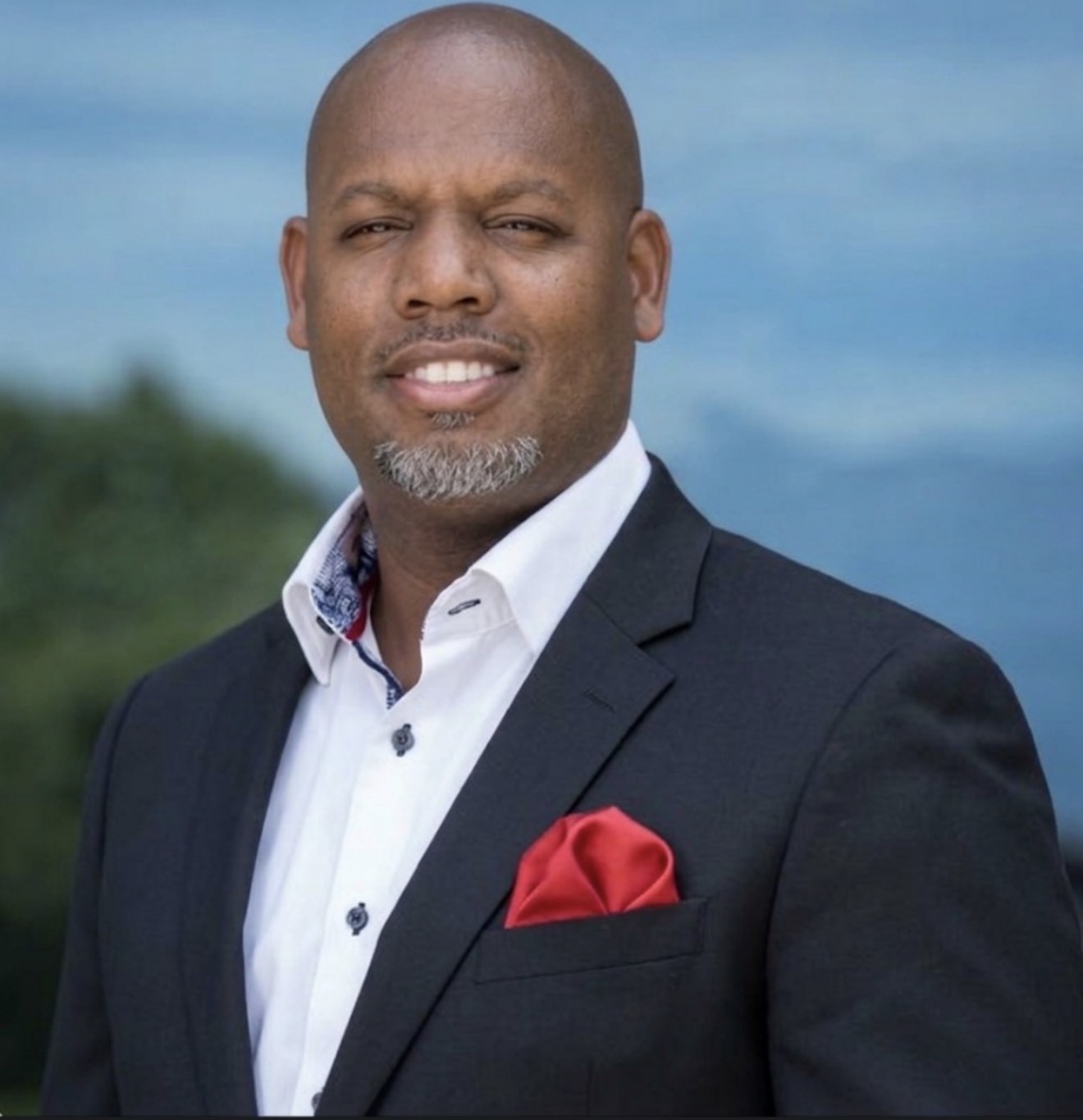
Damien L. Halliburton
Founder & Chief Editor, Human Capital Roundtable
Damien L. Halliburton is a workforce strategist, executive advisor, and the founder of the Human Capital Roundtable. With over two decades guiding CHROs and people leaders through transformation, he writes on the intersection of AI, hiring, employee relations, and the future of work.
Frequently Asked Questions
Will generative AI replace HR jobs?
It will automate routine HR tasks but augment, not replace, the judgment and relational work that defines HR value. Professionals who use AI will displace those who do not.
What HR skills matter most in the AI era?
AI fluency, critical evaluation of AI output, ethical judgment, stakeholder navigation, and the ability to design and govern AI-assisted systems.
