

Wellness apps and resilience training put the burden on the individual. Real burnout prevention requires redesigning the work itself.
The wellness industry has flourished by telling organizations a comfortable lie: that burnout is a personal resilience problem solvable with meditation apps, gym stipends, and better self-care. This framing is convenient because it locates the cause and the cure inside the individual, absolving the organization of responsibility. It is also wrong. The research is clear — burnout is driven primarily by workplace conditions, not personal weakness.
The six established drivers of burnout are unsustainable workload, perceived lack of control, insufficient reward, breakdown of community, absence of fairness, and conflicting values. Five of the six are organizational. Telling an overworked employee to be more resilient is like telling someone standing in the rain to dry off while leaving the rain on. The intervention must address the environment, not just the person in it.
Workload is the most common and most addressable driver. When high performers consistently cannot complete their work in reasonable hours, the problem is the operating model, not the performer. The fix is structural: prioritize ruthlessly, eliminate low-value work, staff to realistic capacity, and protect focus time. Organizations that treat workload as a personal time-management issue will never solve it.
Control and fairness are subtler but equally powerful. Employees who have no say in how they meet their goals burn out faster, even at the same workload. Employees who perceive that rewards and decisions are unfair burn out faster regardless of their actual workload. These are not soft factors — they are load-bearing elements of sustainable performance.
This is not an argument against wellness benefits. Stipends, mental health support, and flexibility are valuable. But they are supplements, not substitutes. An organization that offers a meditation app while running a chronically understaffed team is not supporting wellbeing; it is managing the symptoms of a problem it created.
The CHRO's role is to make burnout a board-level metric. Track it alongside engagement and retention. Tie manager performance to the wellbeing of their teams. When a team shows elevated burnout, treat it as a system failure to be diagnosed, not a character flaw to be coached. The organizations that take this seriously will not only retain their people — they will outperform, because sustainable performance is, by definition, higher over time than unsustainable performance.
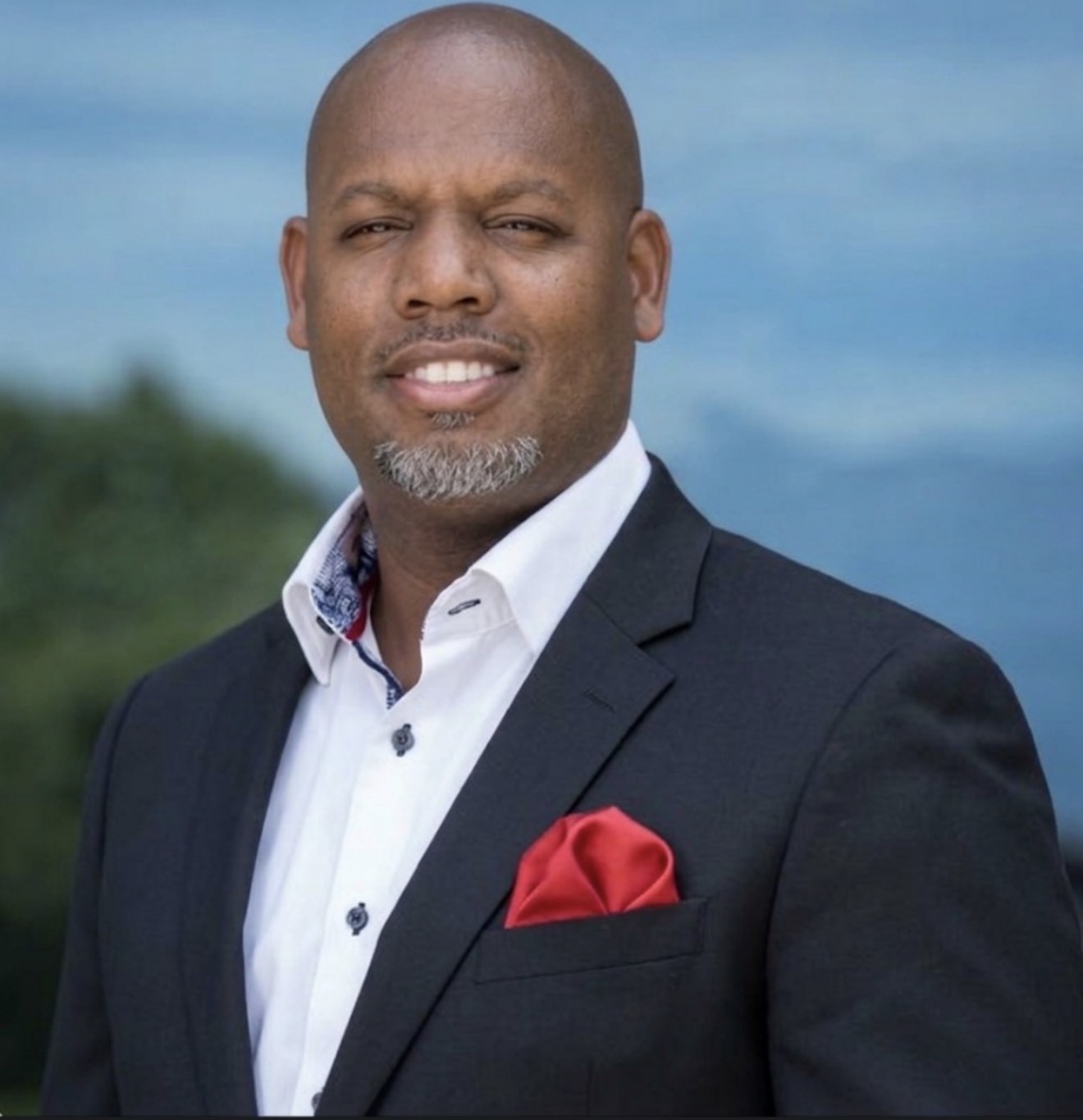
Damien L. Halliburton
Founder & Chief Editor, Human Capital Roundtable
Damien L. Halliburton is a workforce strategist, executive advisor, and the founder of the Human Capital Roundtable. With over two decades guiding CHROs and people leaders through transformation, he writes on the intersection of AI, hiring, employee relations, and the future of work.
Frequently Asked Questions
What are the main causes of workplace burnout?
Unsustainable workload, lack of control, insufficient reward, weak community, absence of fairness, and value conflicts — most of which are organizational.
Do wellness programs reduce burnout?
They help at the margins but cannot fix structural causes. Real prevention requires redesigning workload, control, and fairness.
