

More companies are appointing wellbeing leaders. Done right, it signals seriousness. Done wrong, it is window dressing. Here is the difference.
The appointment of a Chief Wellbeing Officer has become a signal some organizations send to show they take employee health seriously. The instinct is right — wellbeing has been under-led — but the role is easy to get wrong. A wellbeing leader without authority, budget, or a seat at the strategy table becomes a figurehead, and a figurehead does more harm than good because it signals seriousness without delivering it.
When the role works, it works because it has a real mandate. A Chief Wellbeing Officer who reports to the CEO, owns the systemic drivers of burnout — workload, control, fairness, community — and has the authority to influence how work is designed is a force multiplier. They are not running yoga classes; they are challenging operating models that produce unsustainable load. They are not distributing meditation apps; they are ensuring that the organization's structure does not require heroism to function.
When the role fails, it fails because it is positioned as a perk function. A wellbeing leader buried in HR, given a wellness budget but no influence over how work is assigned, becomes the smiling face on a broken system. Employees see the gap between the wellbeing messaging and the lived experience, and trust falls further than if the role did not exist. The role cannot be a brand exercise; it must be an operational one.
The reporting line is the tell. A Chief Wellbeing Officer who reports to the CEO and participates in business decisions has leverage. One who reports several layers down and owns only programs does not. If the organization is not ready to give the role real authority, it is better to embed wellbeing accountability in existing line leadership than to create a title that cannot deliver on its promise.
There is also a measurement question. Wellbeing is notoriously hard to measure, which makes it easy to fund performative activity instead of real change. The role should be accountable for outcomes — burnout levels, sustainable workload scores, retention of at-risk populations — not activity. Activity metrics (programs offered, sessions attended) measure the input; outcome metrics measure whether the input changed anything. Only the latter justifies the role.
For boards and CHROs considering the role, the question is not whether to appoint a wellbeing leader but whether to appoint one with the authority to matter. A serious role, properly empowered, can drive the systemic change that no wellness program can. A symbolic role, underpowered, will be remembered as the moment the organization pretended to care. The difference is not the title. It is the mandate.
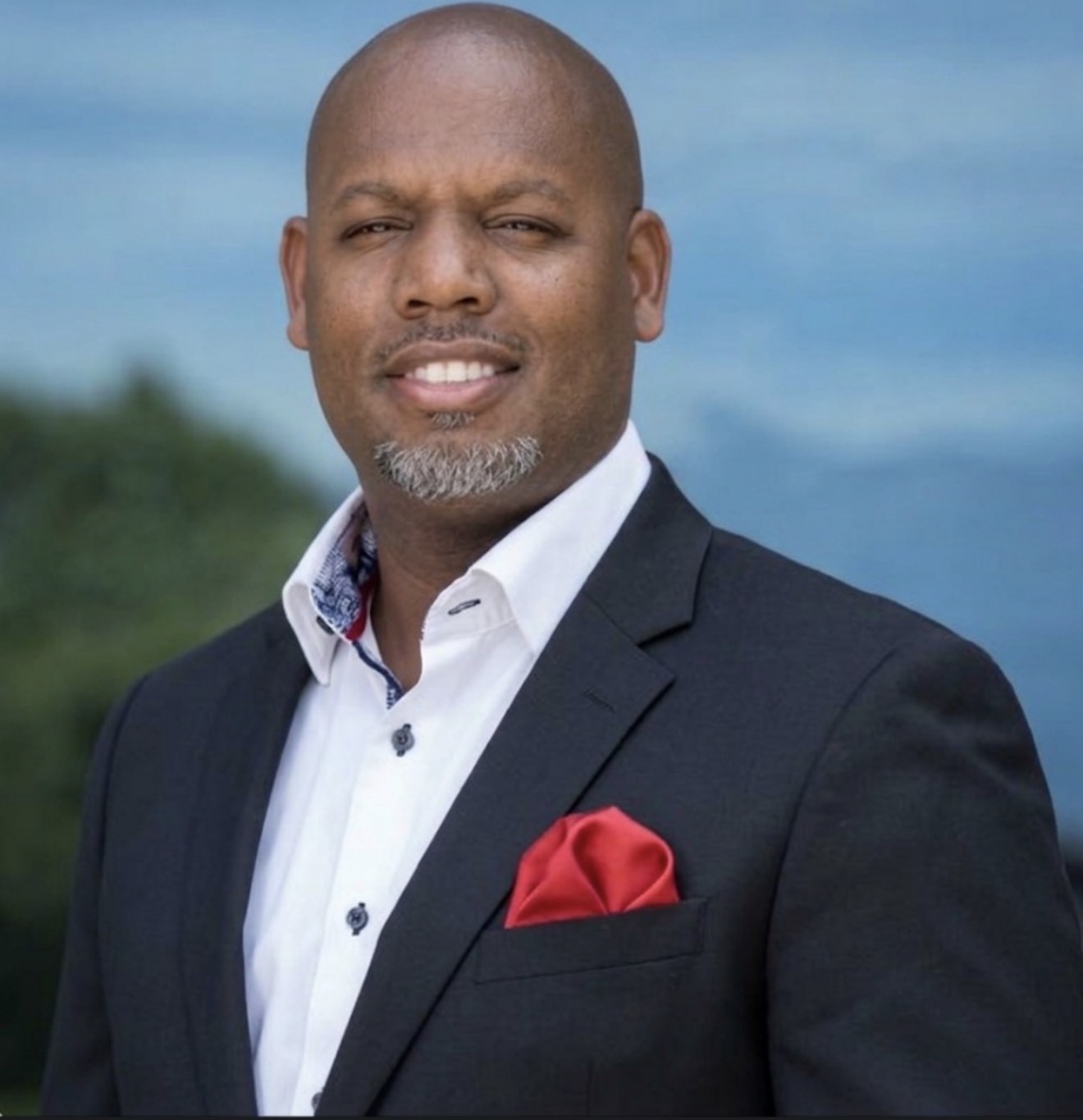
Damien L. Halliburton
Founder & Chief Editor, Human Capital Roundtable
Damien L. Halliburton is a workforce strategist, executive advisor, and the founder of the Human Capital Roundtable. With over two decades guiding CHROs and people leaders through transformation, he writes on the intersection of AI, hiring, employee relations, and the future of work.
Frequently Asked Questions
What does a Chief Wellbeing Officer do?
When effective, they own the systemic drivers of burnout — workload, control, fairness — and influence how work is designed, not just run wellness programs.
When is a Chief Wellbeing Officer a bad idea?
When the role lacks authority, budget, or a senior reporting line, it becomes a figurehead that signals seriousness without delivering change.
