
Up to 20% of the workforce is neurodivergent, yet most workplaces are designed for neurotypical norms. Inclusion here is both equity and advantage.
Neuroinclusion is the practice of designing work so that neurodivergent people — those with autism, ADHD, dyslexia, dyspraxia, and related conditions — can thrive. It is the next frontier of DEI, and it is overdue. Estimates suggest 15–20% of the population is neurodivergent, yet most workplaces are built around neurotypical norms: open-plan offices, heavy reliance on unwritten social cues, sensory-rich environments, and performance judged on conformity to style rather than quality of output.
The case for neuroinclusion is both ethical and strategic. Ethically, excluding a fifth of the talent pool on the basis of cognitive style rather than capability is indefensible. Strategically, neurodivergent talent brings pattern recognition, deep focus, creative problem-solving, and divergent thinking that many organizations desperately need. The companies that have built deliberate neuroinclusion programs report exceptional retention and performance in the roles they target.
Inclusion begins with the environment. Sensory accommodations — quiet spaces, noise-cancellation options, predictable lighting, and the right to control one's workspace — benefit neurodivergent employees and, incidentally, many neurotypical ones. Communication accommodations — clear written instructions, agendas shared in advance, explicit rather than implied expectations — reduce the cognitive load of decoding social context. These are inexpensive changes with broad benefits.
Hiring practices often screen out neurodivergent talent unintentionally. Interviews that weight social fluency over job-relevant skills, vague questions that reward guessing the 'right' answer, and group exercises that favor extroversion all filter against neurodivergent candidates. Structured interviews with job-relevant tasks, clear criteria, and alternative formats (written, asynchronous) open the door without lowering standards.
Disclosure is a sensitive issue. Many neurodivergent employees do not disclose, fearing stigma. Inclusion that requires disclosure to access basic accommodations is not inclusion — it is a barrier. The most effective approach is universal design: build accommodations into the default so that they are available to all without requiring anyone to label themselves. Quiet spaces, flexible communication, and clear expectations help everyone and harm no one.
For HR leaders, neuroinclusion is a measurable opportunity. Audit the environment, the hiring process, and the manager training. Partner with specialist organizations. Start with roles where the fit is strong and expand. The organizations that lead here will not only do the right thing — they will access talent their competitors are still filtering out.
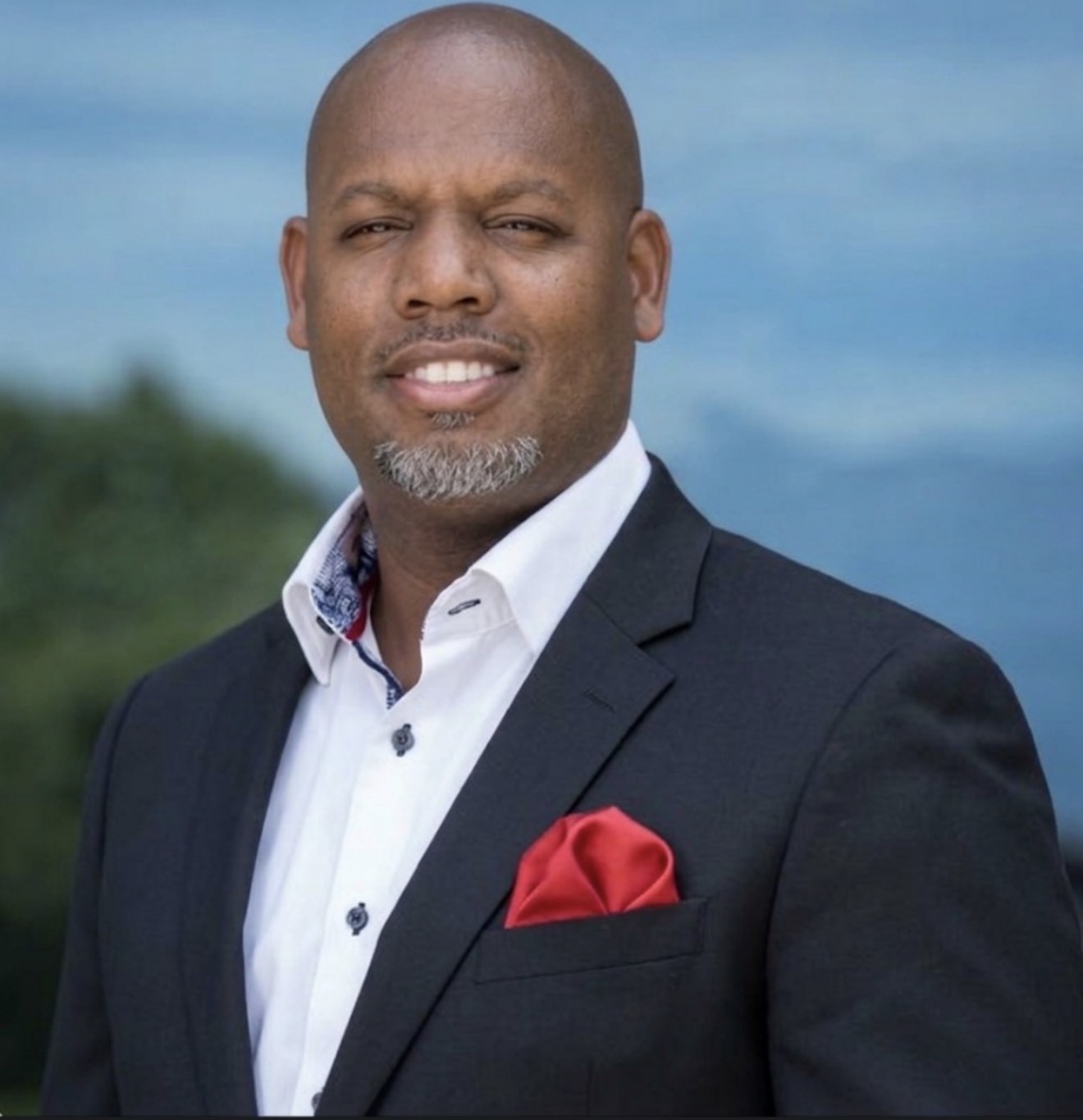
Damien L. Halliburton
Founder & Chief Editor, Human Capital Roundtable
Damien L. Halliburton is a workforce strategist, executive advisor, and the founder of the Human Capital Roundtable. With over two decades guiding CHROs and people leaders through transformation, he writes on the intersection of AI, hiring, employee relations, and the future of work.
Frequently Asked Questions
What percentage of the workforce is neurodivergent?
Estimates range from 15–20% of the population, making neuroinclusion a significant talent and equity issue.
How can workplaces support neurodivergent employees?
Use universal design — quiet spaces, clear written communication, structured interviews, and sensory accommodations available to all without requiring disclosure.
