

DEI programs are under political and legal pressure. The response is not retreat but rigor — focusing on what produces measurable outcomes.
Diversity, equity, and inclusion programs face a sustained backlash — legal challenges, political scrutiny, and public skepticism. Some of the criticism is bad-faith; some of it is earned. The honest reckoning is that many DEI programs overpromised, undermeasured, and relied on training that changed attitudes more than outcomes. The path forward is not abandonment but rigor: focusing on the practices that produce measurable results and discarding those that do not.
What does not work, by the evidence, is the standalone unconscious bias training that became the default DEI intervention. Decades of research show it rarely changes behavior and can even backfire. It is popular because it is easy — a one-time session that signals commitment without requiring structural change. But changing hearts without changing systems produces frustrated hearts and unchanged systems.
What does work is structural. Structured hiring — standardized questions, scored rubrics, and diverse panels — reduces the influence of bias in the highest-leverage decision an organization makes. Pay equity audits identify and close gaps that no amount of training will fix. Accessibility investments — in tools, facilities, and processes — expand the talent pool and improve outcomes for everyone, not just those with disabilities. Sponsorship programs, distinct from mentorship, actively advocate for advancement rather than merely advising it.
Belonging is the outcome that ties these together. Belonging is not a feeling produced by a program; it is the cumulative experience of being fairly treated, authentically included, and meaningfully connected. It is measured through specific questions — 'I can be myself at work,' 'my contributions are valued,' 'I have equal access to opportunity' — and improved through the structural practices above. When belonging is high, retention and engagement follow.
The legal landscape requires care. Some practices that were common — quota-based targets, certain affinity group structures — face legal challenge in some jurisdictions. The response is not to abandon the goals but to use legally robust methods: focusing on equal opportunity rather than outcomes, ensuring broad accessibility, and grounding decisions in documented, job-related criteria. Compliance and effectiveness are not in conflict; the most defensible practices are often the most effective.
For leaders, the message is to do less theater and more engineering. Measure outcomes, not activity. Invest in the structural changes that move the numbers. Be honest that progress is slow and uneven. The organizations that sustain DEI through the backlash will be those that built it on evidence rather than rhetoric — and they will be the ones with the talent, trust, and resilience to outperform.
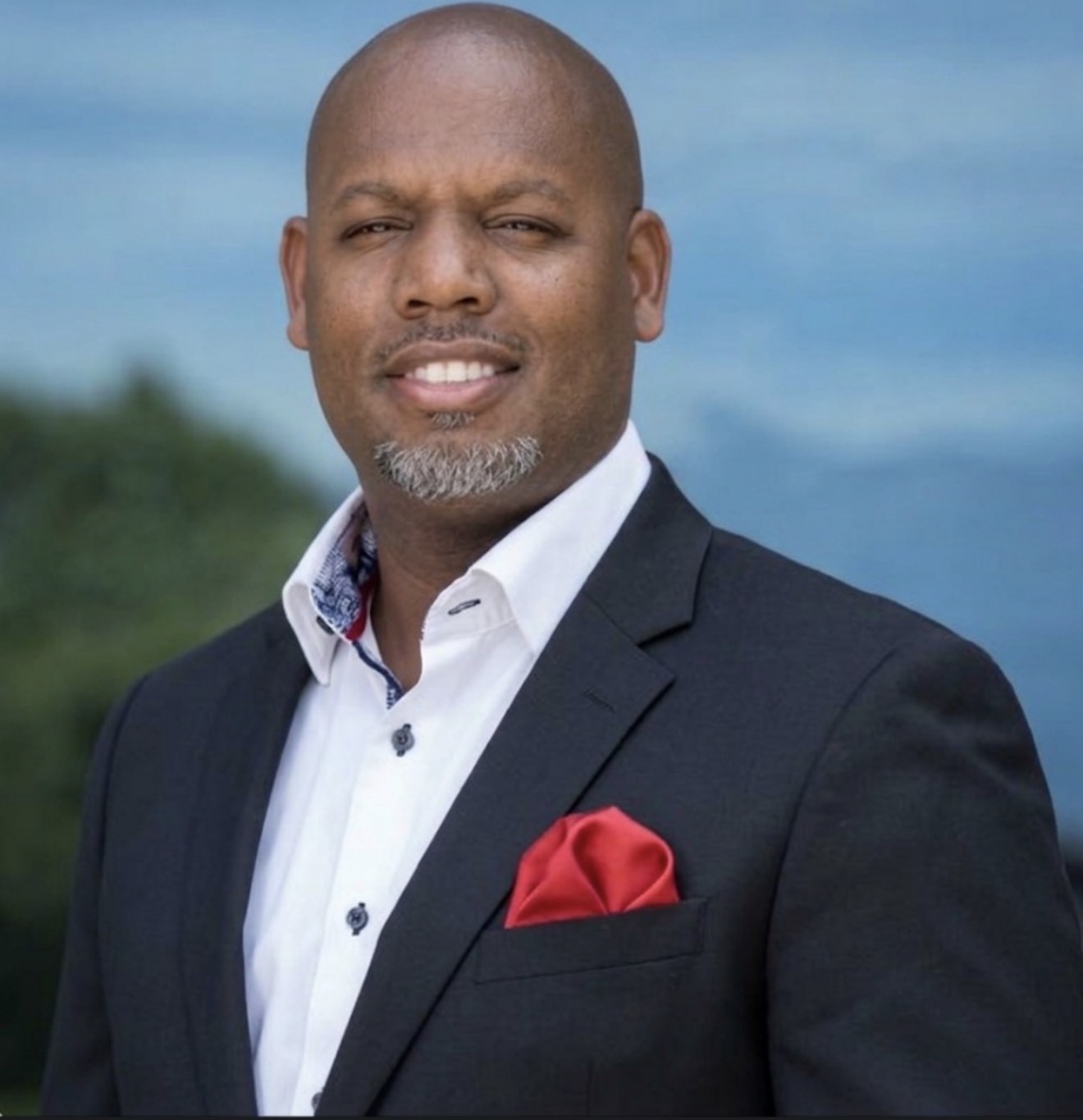
Damien L. Halliburton
Founder & Chief Editor, Human Capital Roundtable
Damien L. Halliburton is a workforce strategist, executive advisor, and the founder of the Human Capital Roundtable. With over two decades guiding CHROs and people leaders through transformation, he writes on the intersection of AI, hiring, employee relations, and the future of work.
Frequently Asked Questions
Does unconscious bias training work?
Standalone bias training rarely changes behavior. Structural changes — structured hiring, pay equity audits, sponsorship — produce measurable results.
How can companies sustain DEI amid legal backlash?
Focus on legally robust, evidence-based practices: equal opportunity, accessibility, structured hiring, and documented, job-related criteria.
