Mandates and attendance tracking have turned the office into a battleground. Underneath the policy fight is a deeper question: do leaders trust their people?
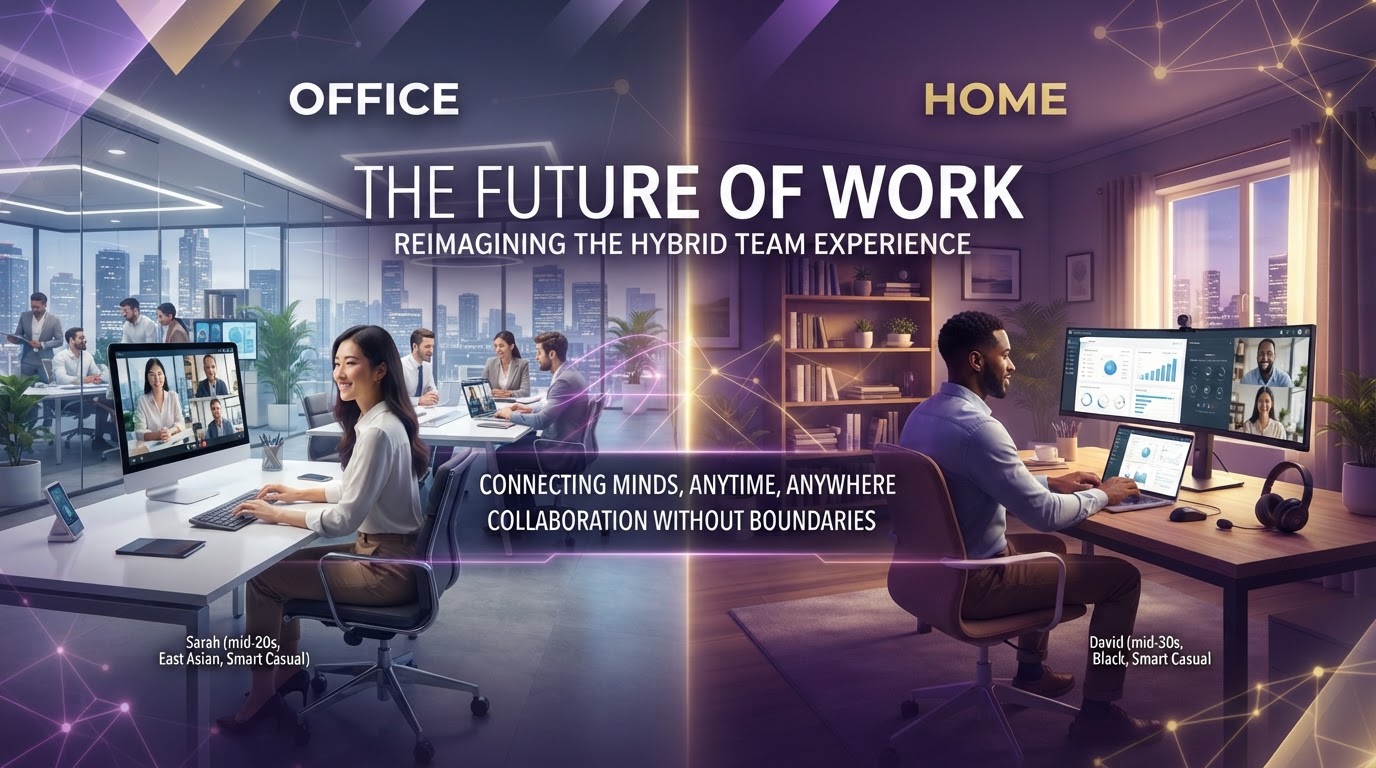
The return-to-office conversation has generated more heat than light. Mandates, badge tracking, attendance dashboards, and public ultimatums have turned the workplace into a contested space. But the policy details are a distraction. The real subject of the debate is trust — whether leaders trust their employees to do their work without surveillance, and whether employees trust leaders to make decisions that consider their lives, not just the lease.
When an organization mandates a fixed number of in-office days and then tracks compliance with badge data, it sends a clear message: we do not believe you will come unless we make you. Whatever the stated rationale — collaboration, culture, mentorship — the mechanism communicates doubt. Employees, who during the remote era proved they could deliver results without oversight, read that signal accurately. The result is not renewed collaboration but resentful compliance, which corrodes the very culture the mandate was meant to protect.
This is not an argument against offices. In-person time has genuine value — for onboarding, for complex creative work, for relationship building. The question is whether that value is best unlocked by command or by design. The most effective hybrid models do not mandate days; they design moments. They identify the work that genuinely benefits from presence and concentrate it deliberately, then leave the rest to individual discretion.
Trust is built through three practices. First, clarity of outcomes. When people know what is expected and are measured on results rather than presence, autonomy becomes possible. Second, consistency between words and actions. A leader who preaches flexibility while tracking badge swipes destroys credibility. Third, genuine two-way input. The best hybrid policies are co-designed with employees, not imposed on them.
There is also a generational and equity dimension. Younger workers often benefit most from in-person mentorship, while mid-career parents often need flexibility to remain in the workforce. A one-size-fits-all mandate serves neither well. Trust-based models allow for differentiation — not favoritism, but calibrated support for different life stages and role requirements.
The organizations that will thrive are not those that win the mandate fight. They are those that make the office worth coming to — through purpose, connection, and respect for the whole person. Trust is not a soft value. It is the operating system of high-performing cultures, and it cannot be mandated into existence.
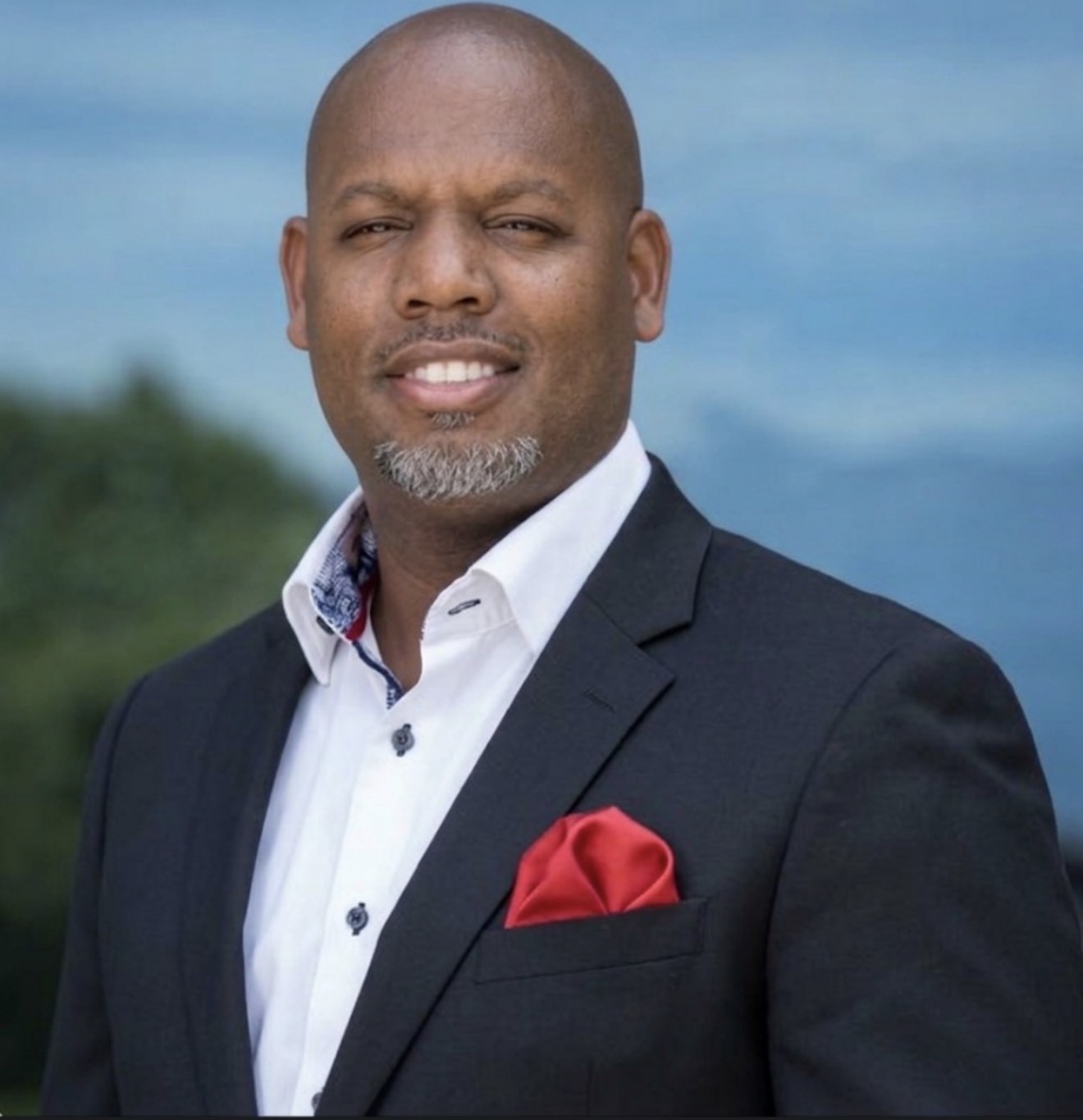
Damien L. Halliburton
Founder & Chief Editor, Human Capital Roundtable
Damien L. Halliburton is a workforce strategist, executive advisor, and the founder of the Human Capital Roundtable. With over two decades guiding CHROs and people leaders through transformation, he writes on the intersection of AI, hiring, employee relations, and the future of work.
Frequently Asked Questions
Do return-to-office mandates improve productivity?
Evidence is mixed. Mandates often produce compliance, not collaboration. Outcome-based hybrid models tend to outperform rigid attendance requirements.
How can leaders build trust in hybrid teams?
Set clear outcomes, ensure consistency between stated values and actions, and co-design flexible policies with employees rather than imposing them.
