Employers complain about a skills shortage while cutting training budgets. The gap is real, but it is largely self-inflicted. Here is the fix.
There is a familiar lament in executive suites: 'we cannot find the talent we need.' It is usually followed by a call for immigration reform, education system overhaul, or some external fix. Seldom mentioned is the fact that employer investment in training has declined for decades. We created the skills gap by externalizing the cost of skill development, then complained that the supply did not meet our demand.
The data is stark. Median tenure has lengthened, technology cycles have shortened, and the half-life of skills has collapsed. Yet employer-funded training has not kept pace. The implicit model became: hire fully-formed talent, use it, and replace it when the skills expire. This worked when skills were durable and labor was plentiful. It works no longer.
Closing the gap requires a shift from hiring to building. The most resilient organizations treat their workforce as a portfolio of capabilities to be continuously renewed, not a fixed asset to be depreciated. This means investing in internal academies, rotational programs, and partnerships with community colleges and bootcamps. It means building skills taxonomies that map current capabilities to future needs and identifying gaps before they become crises.
Apprenticeships, long associated with trades, are re-emerging in technology and operations. A well-structured apprenticeship combines paid work, structured learning, and mentorship, producing capable workers with no debt and a clear path. They are slower than hiring, but they produce loyalty and capability that the open market cannot match.
The economics favor the build approach. The cost of reskilling an existing employee is typically a fraction of the cost of replacing them — when you account for recruiting, onboarding, lost productivity, and the risk premium the market demands for scarce skills. The barrier is not financial; it is cultural. Building requires patience, measurement, and a willingness to develop people who might leave. The rejoinder, attributed to many leaders, applies: the only thing worse than training people and having them leave is not training them and having them stay.
For CHROs, the mandate is to make learning a measurable business function. Tie it to capability outcomes, not completion metrics. Fund it as infrastructure, not a discretionary line item. The skills gap is not a force of nature. It is a consequence of choices, and different choices can close it.
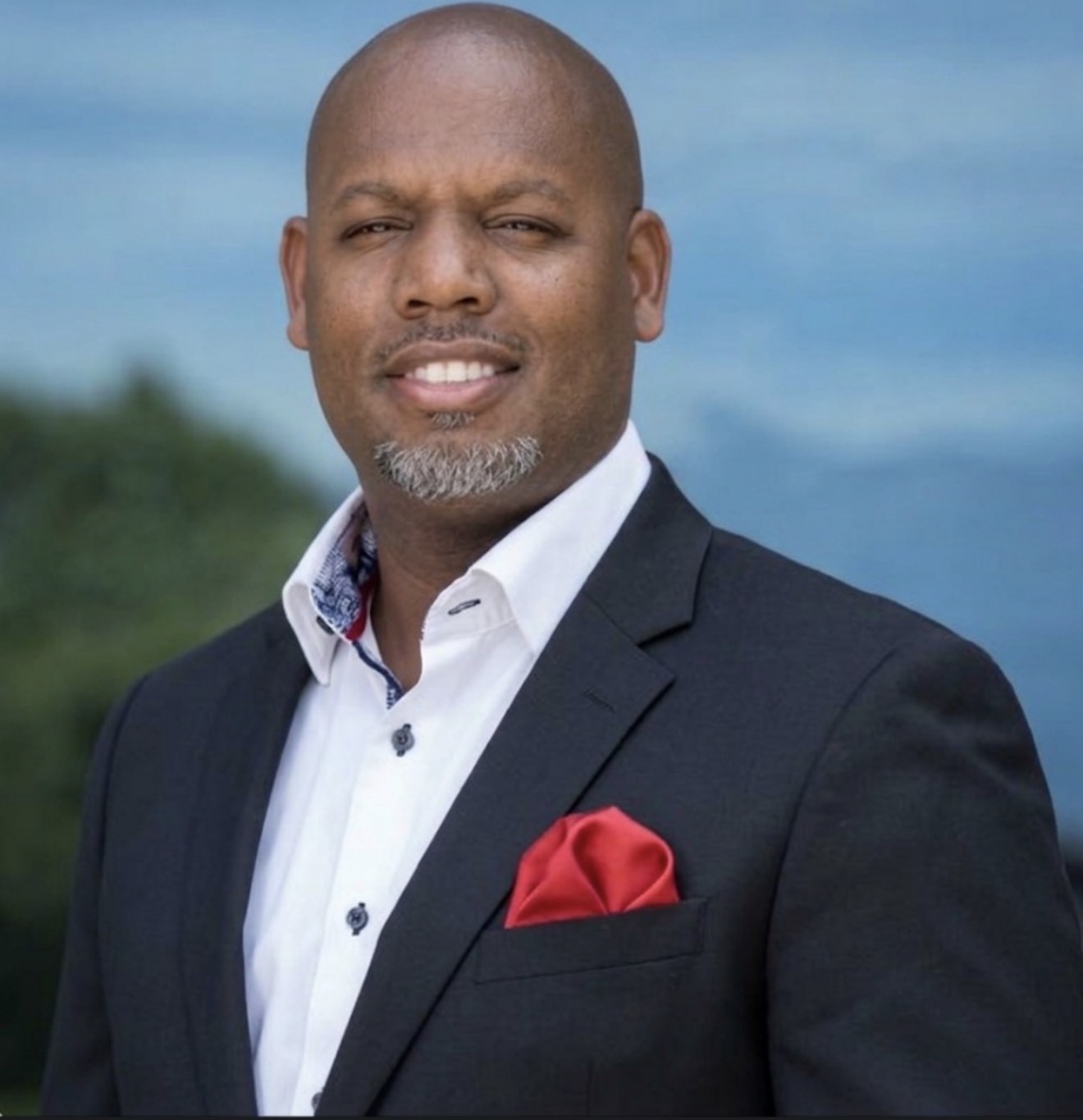
Damien L. Halliburton
Founder & Chief Editor, Human Capital Roundtable
Damien L. Halliburton is a workforce strategist, executive advisor, and the founder of the Human Capital Roundtable. With over two decades guiding CHROs and people leaders through transformation, he writes on the intersection of AI, hiring, employee relations, and the future of work.
Frequently Asked Questions
Why is there a skills gap in 2026?
Rapid technological change has shortened skill half-lives while employer investment in training has declined, creating a self-inflicted gap.
Is reskilling cheaper than hiring?
Usually yes. The total cost of replacing an employee — recruiting, onboarding, lost productivity — typically exceeds the cost of reskilling.
