
The annual engagement survey is a snapshot, not a pulse. Modern employee listening combines cadence, depth, and action to turn data into change.
The annual engagement survey is the most common employee listening practice, and also the most limited. It captures a moment, arrives months after the experience it measures, and too often produces a report that lives in a slide deck and dies there. Employees learn that giving feedback produces no visible change, and response rates and candor decline. The survey becomes a ritual rather than a tool. Modern employee listening requires more than a single annual instrument.
A complete listening strategy layers cadence and depth. The annual survey provides the broad baseline — comprehensive, benchmarked, and strategic. Pulse surveys — short, frequent, and focused — track movement on specific themes between annual cycles. Stay interviews — structured conversations with current employees about what keeps them and what might push them away — provide qualitative depth that no survey can. Exit interviews, done well, capture the truth that only the departing will tell. Together, these instruments form a system rather than an event.
Cadence without action is worse than no listening at all. Every survey that produces no visible response teaches employees that their input is performative. The discipline of listening is not the data collection — it is the action loop. Share what you heard, share what you will do, do it, and report back. Even when the answer is 'we cannot do that, and here is why,' the loop builds trust. Silence after a survey destroys it.
Pulse surveys work when they are focused and acted upon quickly. A five-question pulse on a specific theme — manager support, workload, change readiness — that produces a visible response within weeks builds the habit that feedback leads to change. A pulse that asks about everything and acts on nothing confirms cynicism. The design principle is narrow question, fast action.
Stay interviews are the most underused and highest-value instrument. Asking current employees, especially high performers and those in critical roles, what would keep them and what might cause them to leave surfaces issues while there is still time to act. They also signal that the organization values the person enough to ask — an act of respect that itself improves retention. Stay interviews cost nothing but manager time and pay back in retained talent.
For CHROs, the mandate is to build a listening system, not run a survey. Combine instruments, close the action loop, and measure whether employees believe feedback leads to change. The goal of listening is not data. It is trust, and trust is built only when listening is followed by visible action.
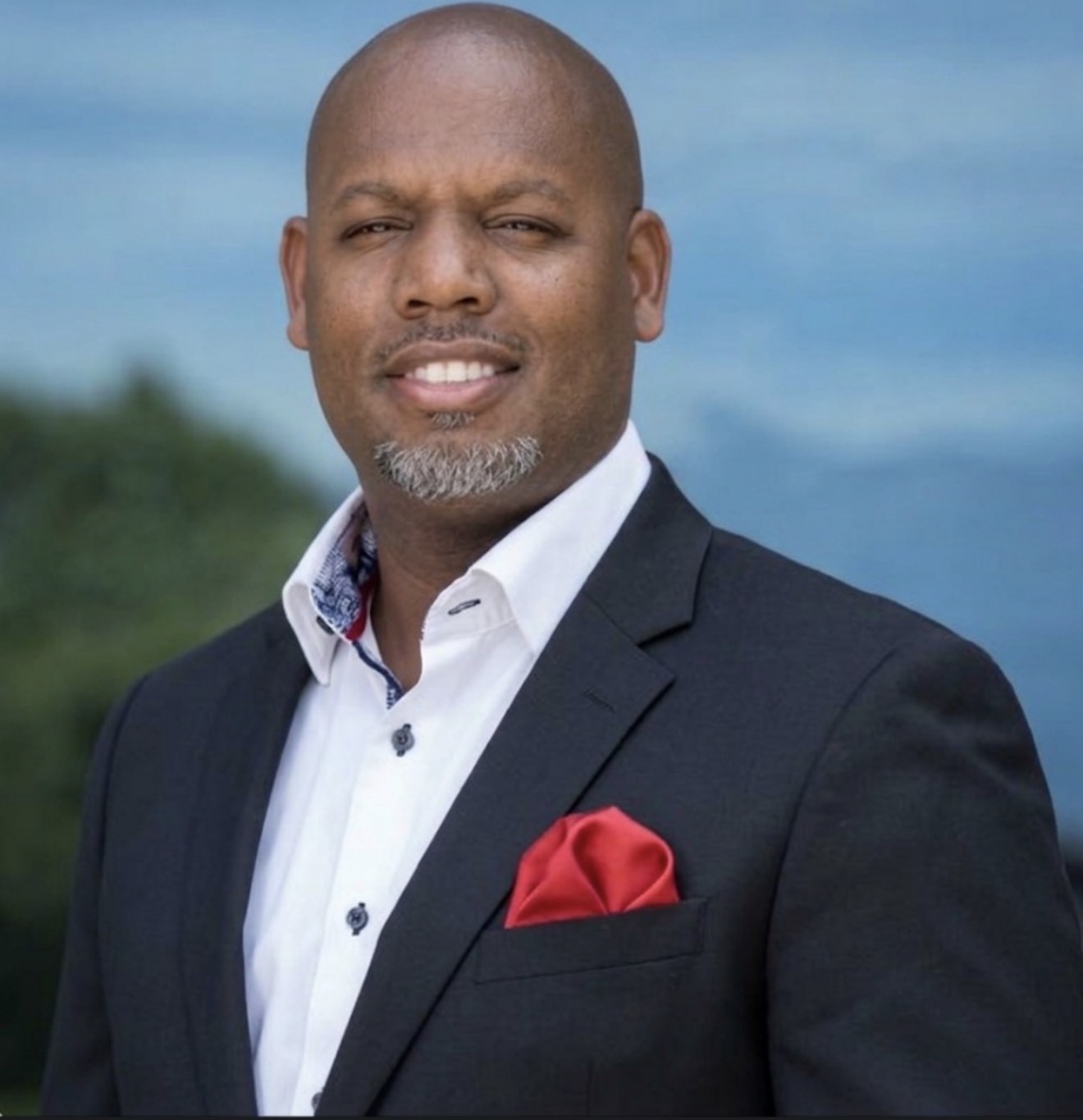
Damien L. Halliburton
Founder & Chief Editor, Human Capital Roundtable
Damien L. Halliburton is a workforce strategist, executive advisor, and the founder of the Human Capital Roundtable. With over two decades guiding CHROs and people leaders through transformation, he writes on the intersection of AI, hiring, employee relations, and the future of work.
Frequently Asked Questions
What is a pulse survey?
A short, frequent, focused survey that tracks movement on specific themes between annual cycles, designed to produce quick, visible action.
What is a stay interview?
A structured conversation with current employees about what keeps them and what might cause them to leave, conducted while there is still time to act.