The annual review is a relic. It arrives too late, weighs too much, and damages trust. Continuous performance management is the modern alternative.
The annual performance review is one of the most universally disliked practices in corporate life. Employees dread it, managers procrastinate it, and HR teams police it. The reason it survives is not effectiveness but inertia — and the fear that without it, no one would have difficult conversations at all. But the evidence is clear: the annual review is too infrequent to coach, too loaded to be honest, and too backward-looking to change behavior.
The core problem is cadence. Performance is a continuous phenomenon; a yearly summary cannot capture it. By the time feedback arrives, the moment has passed, the context is lost, and the feedback reads as a verdict rather than a guide. The annual cycle also concentrates risk — a single bad review can derail a year, while a single good one can mask months of mediocrity. Both distort development.
Continuous performance management replaces the event with a practice. The building blocks are frequent, lightweight check-ins (weekly or biweekly), clear and visible goals that evolve with the work, real-time feedback tied to specific moments, and a growth conversation separate from the compensation conversation. The last point is critical: as long as feedback determines pay, it will never be honest. Separating development from compensation unlocks candor.
This does not mean abandoning accountability. It means distributing it across the year. A manager who gives specific, timely feedback weekly will have a far richer record than one who reconstructs twelve months from memory in January. The annual summary, if it survives, becomes a synthesis of an ongoing record — not the record itself.
The barrier to this shift is rarely the system; it is the manager. Most managers were not trained to give feedback, and many avoid it because it is uncomfortable. Continuous performance management fails when it simply relocates the annual review to a weekly calendar invite with no change in skill. Investment in manager capability — how to observe, how to frame, how to follow up — is the prerequisite.
The organizations that have made this shift report higher engagement, better retention of high performers, and faster correction of underperformance. The annual review is not dying because it is unpopular. It is dying because something better exists. The question for HR leaders is whether to lead the transition or be dragged into it.
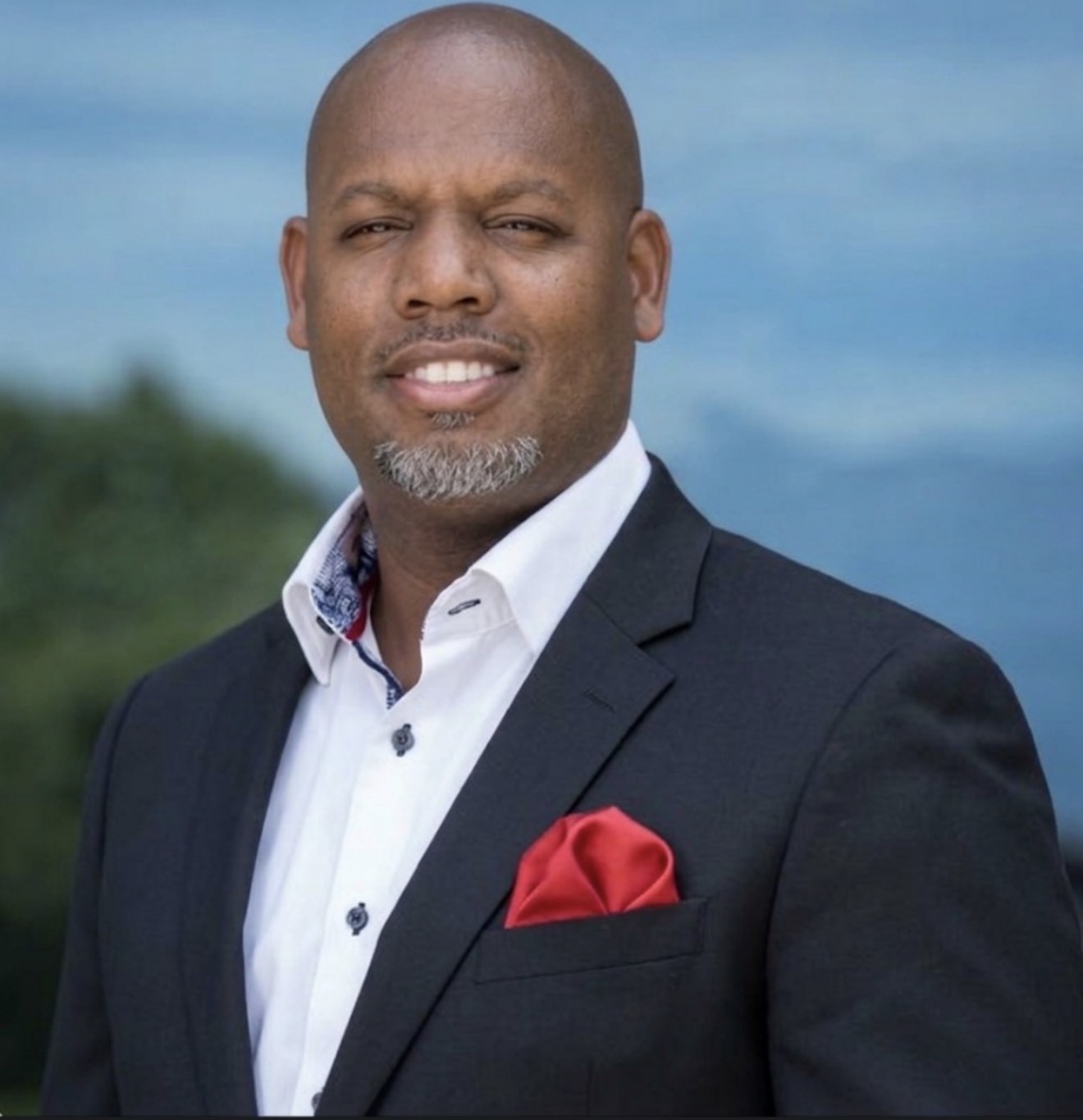
Damien L. Halliburton
Founder & Chief Editor, Human Capital Roundtable
Damien L. Halliburton is a workforce strategist, executive advisor, and the founder of the Human Capital Roundtable. With over two decades guiding CHROs and people leaders through transformation, he writes on the intersection of AI, hiring, employee relations, and the future of work.
Frequently Asked Questions
What replaces the annual performance review?
Continuous performance management — frequent check-ins, evolving goals, real-time feedback, and growth conversations separated from pay.
Should feedback and compensation be separated?
Yes. When feedback determines pay, employees filter for safety rather than growth. Separating development from compensation unlocks honest conversation.