
The viral label obscured a deeper truth. Disengagement is not laziness — it is a rational response to broken psychological contracts. Here's how leaders should respond.
The phrase 'quiet quitting' spread like wildfire, and like most viral labels, it captured a feeling while distorting the facts. It suggested a generation of workers deciding to do the bare minimum — a story of declining work ethic. The reality is far more structural. What we labeled quiet quitting is, in most cases, a rational recalibration of effort in response to a broken psychological contract.
The psychological contract is the unwritten set of expectations between employer and employee. When the contract says 'give us your discretionary effort and loyalty, and we will give you stability, growth, and meaning,' the system works. When that contract frays — through layoffs that spare shareholders but punish staff, through promotions that reward visibility over contribution, through compensation that does not keep pace with productivity — employees withdraw discretionary effort. They are not quitting. They are renegotiating.
The data supports this. Engagement scores have been declining for years, well before the term existed. Burnout, not laziness, is the dominant driver. When employees report that they cannot get their work done in the hours available, that their workload is unmanageable, and that their manager does not check in meaningfully, disengagement is the predictable outcome. Calling it 'quiet quitting' lets organizations off the hook; it locates the problem in the employee rather than the system.
So what should leaders do? First, stop diagnosing and start listening. Engagement surveys tell you the score, not the story. Pair quantitative data with structured conversations that ask: What is getting in the way of your best work? What would make this role sustainable? The answers are almost always actionable and almost never about pay alone.
Second, repair the psychological contract explicitly. Be honest about what the organization can and cannot offer. Stability may be limited; growth paths may be competitive. Clarity, even when uncomfortable, builds more trust than vague promises. Third, address workload at the system level. If your high performers are burning out, the problem is not their resilience — it is your operating model.
Finally, recognize that engagement is not a permanent state to be achieved but a relationship to be maintained. The organizations that treat it as a continuous practice — not an annual survey — will retain the discretionary effort that no algorithm can replace.
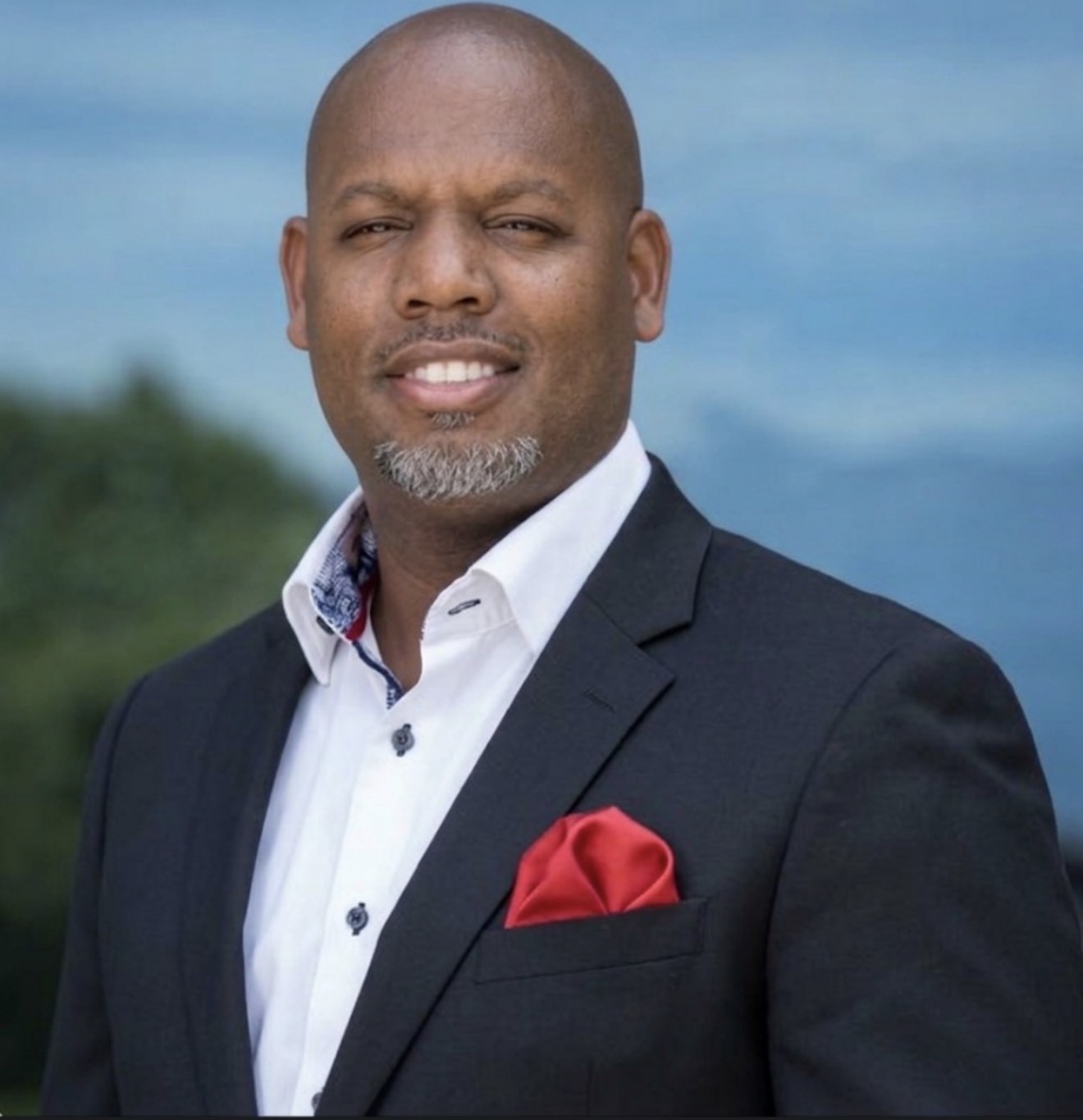
Damien L. Halliburton
Founder & Chief Editor, Human Capital Roundtable
Damien L. Halliburton is a workforce strategist, executive advisor, and the founder of the Human Capital Roundtable. With over two decades guiding CHROs and people leaders through transformation, he writes on the intersection of AI, hiring, employee relations, and the future of work.
Frequently Asked Questions
What is quiet quitting really?
It is the withdrawal of discretionary effort in response to a broken psychological contract — not laziness or refusal to work.
How can HR reduce employee disengagement?
Address workload sustainability, repair the psychological contract through honest communication, and pair survey data with real conversations.