
Google's research and decades of study point to the same conclusion: psychological safety is the prerequisite for team performance. Here is how to build it.
Psychological safety is the belief that one can speak up — with ideas, questions, concerns, or mistakes — without fear of punishment or humiliation. It is not the same as comfort or niceness; it is the condition for candor. And it is, by a large body of evidence, the single strongest predictor of team performance. Google's Project Aristotle confirmed what researchers had found for years: the teams that outperform are the ones where people feel safe to take interpersonal risks.
The performance mechanism is straightforward. In a psychologically unsafe environment, people withhold ideas, hide mistakes, and avoid the questions that could expose gaps. Information that the team needs stays locked in the heads of those who have it. Problems fester until they become crises. In a safe environment, the same information flows — mistakes surface early, questions get asked, dissent is voiced — and the team learns faster. Safety does not lower standards; it raises the rate at which the team improves.
Psychological safety is built through specific, repeatable leader behaviors. The first is framing work as learning problems, not execution problems — explicitly acknowledging that the work is uncertain and that input is needed. The second is acknowledging fallibility — leaders who admit their own mistakes make it safe for others to admit theirs. The third is inviting input — asking, specifically and repeatedly, for perspectives that are not yet in the room. The fourth is responding productively — when someone raises a concern or admits an error, the response determines whether they ever do it again.
The response is the whole game. A leader who asks for input and then punishes the input that arrives has not built safety; they have built a trap. The test is not whether people speak once but whether they speak twice. The second time is earned by how the first was received. This is why psychological safety cannot be mandated by policy — it is built or destroyed in thousands of small, interpersonal moments.
Safety is not the absence of conflict. In fact, psychologically safe teams have more conflict, not less — because disagreement is voiced rather than suppressed. The difference is that the conflict is about ideas, not people, and it is resolved through engagement rather than withdrawal. A team that never disagrees is not safe; it is silent, and silence is the enemy of performance.
For HR leaders, the implication is that psychological safety is a measurable, manageable team property. It can be assessed through specific questions — 'I can take risks on this team,' 'it is safe to ask questions,' 'mistakes are not held against you.' It can be developed through manager training. And it is, more than any perk or program, the foundation on which high performance is built.
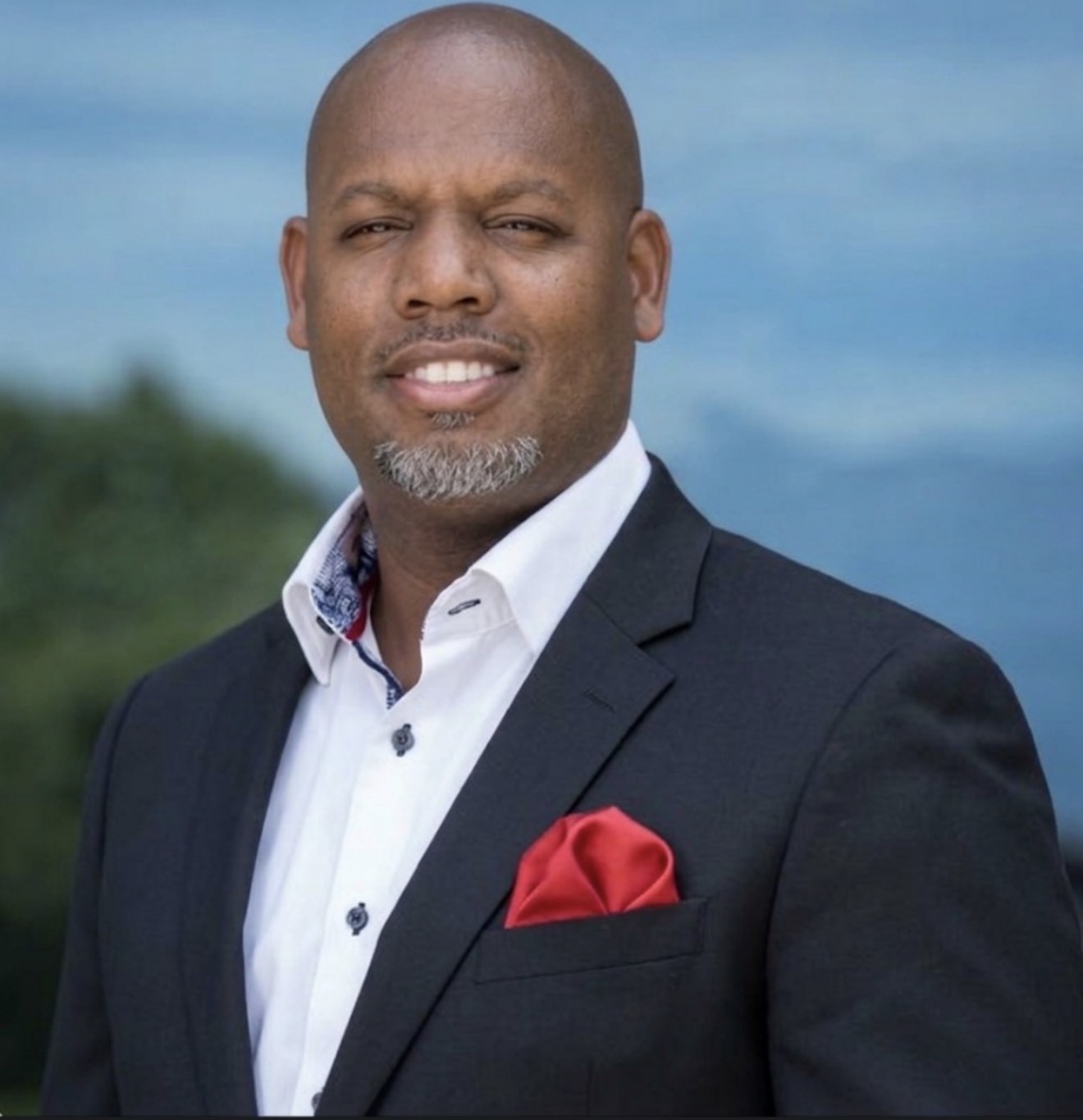
Damien L. Halliburton
Founder & Chief Editor, Human Capital Roundtable
Damien L. Halliburton is a workforce strategist, executive advisor, and the founder of the Human Capital Roundtable. With over two decades guiding CHROs and people leaders through transformation, he writes on the intersection of AI, hiring, employee relations, and the future of work.
Frequently Asked Questions
What is psychological safety at work?
The belief that you can speak up with ideas, questions, or mistakes without fear of punishment. It is the condition for candor and the strongest predictor of team performance.
How do leaders build psychological safety?
Frame work as learning, acknowledge fallibility, invite input, and respond productively — especially to the first instance of candor, which determines whether it happens again.
