

The hierarchical, directive leader is a relic of the industrial age. Modern work demands leaders who coach, ask, and develop — not command.
The command-and-control leader — the one who directs, decides, and drives — was built for an era when information flowed up and decisions flowed down, when workers executed and leaders thought. That era is over. In modern work, the people closest to the problem usually know the most about it, the pace of change outstrips any single leader's expertise, and the value is in adaptation, not execution. The leader who tries to control it all becomes the bottleneck. The leader who coaches unlocks it.
The leader-as-coach is not a softer leader; they are a more effective one. Coaching is not about being nice — it is about building capability. The directive leader solves the problem and leaves the team dependent. The coaching leader asks the questions that help the team solve the problem, and leaves the team more capable. In a world where the problems recur and the leader cannot be present for all of them, capability is the only sustainable output.
The behaviors are specific. A coaching leader asks more than tells — open questions that provoke thinking rather than closed questions that test compliance. They listen to understand, not to respond. They give feedback that is specific and developmental, not generic and judgmental. They delegate the decision, not just the task, which is the difference between developing a person and using them. And they tolerate the discomfort of a team member working through a problem imperfectly, because that discomfort is where learning lives.
The barrier is the leader's own anxiety. Directive leadership is faster in the moment and more comfortable for the leader — it feels like control. Coaching is slower and requires the leader to sit with uncertainty while the team learns. Many leaders revert to command under pressure because the pressure makes the short-term comfort of control irresistible. The shift to coaching is, at its core, a shift in what the leader is willing to feel.
Organizations reinforce or undermine the shift through what they reward. If leaders are promoted for having the answers and directing the work, coaching will not take root regardless of training. If leaders are promoted for developing people and building teams that perform without them, coaching becomes the path. The development investment must be matched by the promotion system, or the training is theater.
For HR leaders, the implication is that leadership development must build coaching capability as a core competence, not an elective. And the organization's definition of leadership success must reward the development of others, not just the delivery of results. The command-and-control leader is not coming back, because the world that needed them is gone. The organizations that develop the leaders the new world requires will be the ones that adapt fastest and retain the best.
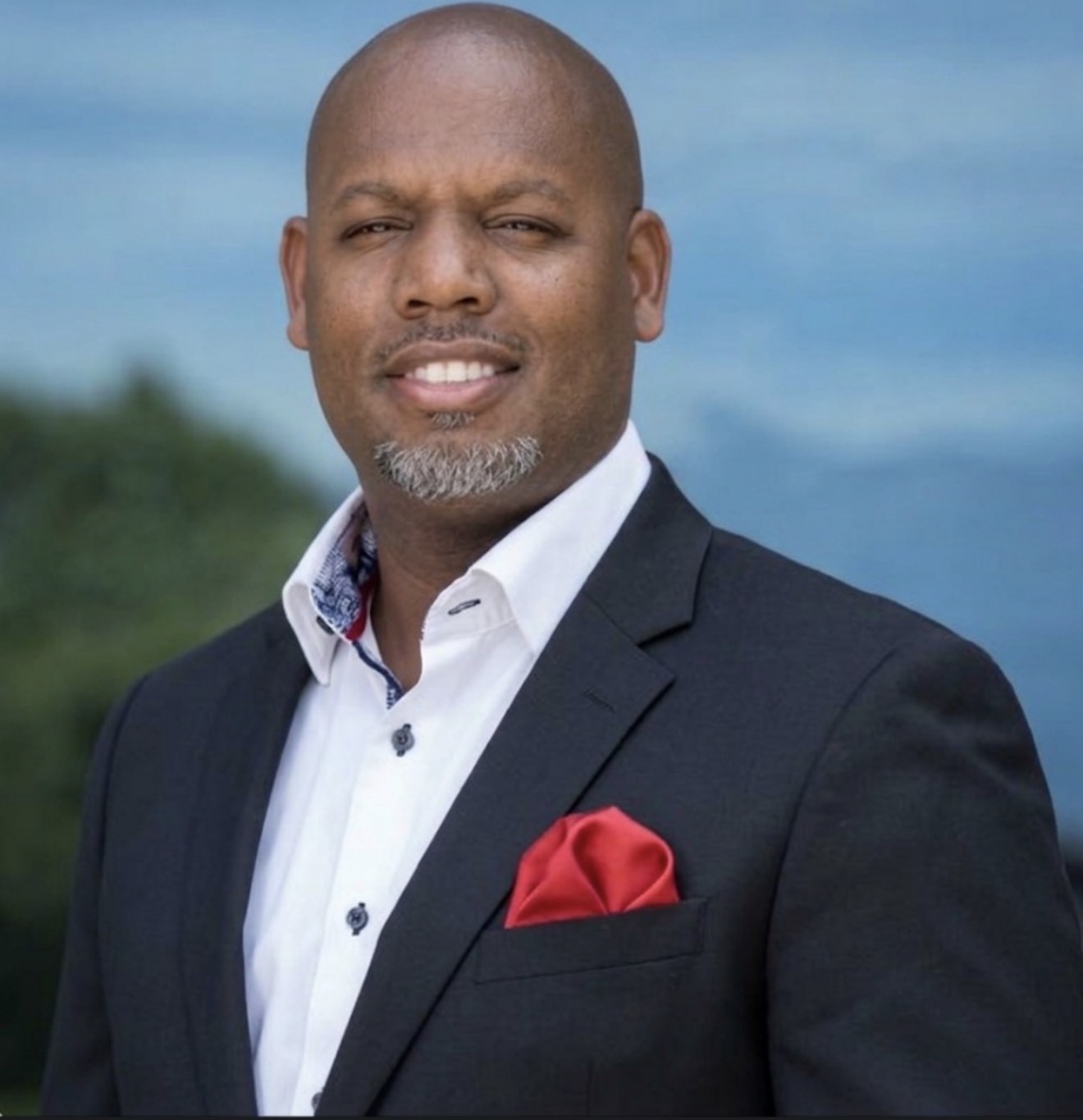
Damien L. Halliburton
Founder & Chief Editor, Human Capital Roundtable
Damien L. Halliburton is a workforce strategist, executive advisor, and the founder of the Human Capital Roundtable. With over two decades guiding CHROs and people leaders through transformation, he writes on the intersection of AI, hiring, employee relations, and the future of work.
Frequently Asked Questions
What is the leader-as-coach model?
A leadership approach where the leader asks, listens, and develops capability rather than directing — building teams that perform without constant oversight.
Why is command-and-control leadership outdated?
Modern work requires adaptation and distributed expertise. Leaders who try to control every decision become bottlenecks; coaching builds the capability the team needs to adapt.
