
We promote top performers into management with no training, then are surprised when teams struggle. The manager development gap is a systemic failure.
There is a familiar pattern in corporate life: a top individual contributor is promoted to manager, receives little or no training, and within a year their team's engagement and performance decline. The pattern is so common it is treated as normal. It is not normal — it is a systemic failure. We select managers for the wrong reasons, develop them inadequately, and then blame them for outcomes we set up.
The selection problem is fundamental. The skills that make someone a great individual contributor — deep expertise, self-direction, individual output — are not the skills that make someone a great manager — coaching, delegation, team building, conflict navigation. Yet the default promotion path rewards the former with the latter, assuming competence transfers. It does not. The result is a generation of managers who were excellent at their old job and unprepared for their new one.
The development problem compounds it. Most first-time managers receive minimal training — a half-day workshop, if that — before being handed responsibility for people's careers, wellbeing, and livelihoods. We would not hand someone a complex machine without training and call them an operator. We do it with management routinely. The investment in manager capability is a fraction of its impact, and the gap shows up in every engagement and retention metric.
The consequences are severe. Manager quality is the strongest predictor of team engagement, retention, and performance. A poor manager can destroy a team; a great one can transform it. The variation in manager quality within a single organization is often larger than the variation between organizations. Closing that internal gap is the highest-leverage HR investment available.
The fix has three parts. First, select for management potential, not just individual performance — assess coaching disposition, relational skill, and the motivation to lead. Second, invest seriously in development — not a one-time workshop but a structured first-90-days program, ongoing coaching, and peer learning. Third, hold managers accountable for team outcomes — engagement, retention, development — not just their individual output.
For CHROs, the manager development gap is the single most consequential hidden risk in the organization. It is hidden because its costs show up in retention, engagement, and underperformance reports rather than a single line item. But it is there, and it is large. The organizations that close it — through better selection, real development, and accountability — will outperform those that do not by a margin that no other HR investment can match.
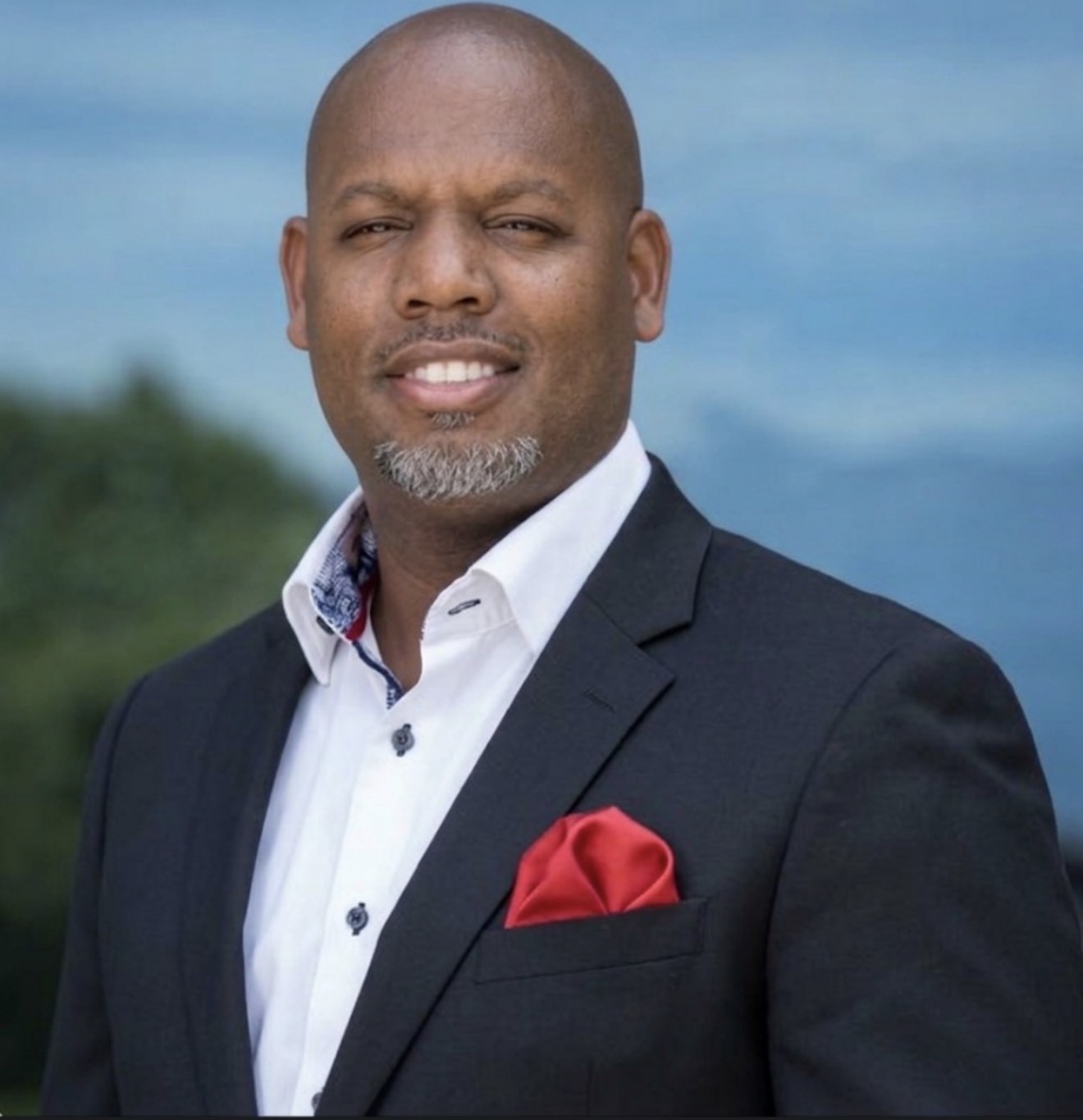
Damien L. Halliburton
Founder & Chief Editor, Human Capital Roundtable
Damien L. Halliburton is a workforce strategist, executive advisor, and the founder of the Human Capital Roundtable. With over two decades guiding CHROs and people leaders through transformation, he writes on the intersection of AI, hiring, employee relations, and the future of work.
Frequently Asked Questions
Why do first-time managers often struggle?
They are promoted for individual performance, not management skill, and receive little training. The skills that made them strong contributors do not transfer to leading people.
How should companies develop new managers?
Select for management potential, provide structured first-90-days training plus ongoing coaching, and hold managers accountable for team engagement and retention.
